Hey.
We’re back.
It’s us again. Back to save the internet, all over again. Remember us?
We’ve done this before.
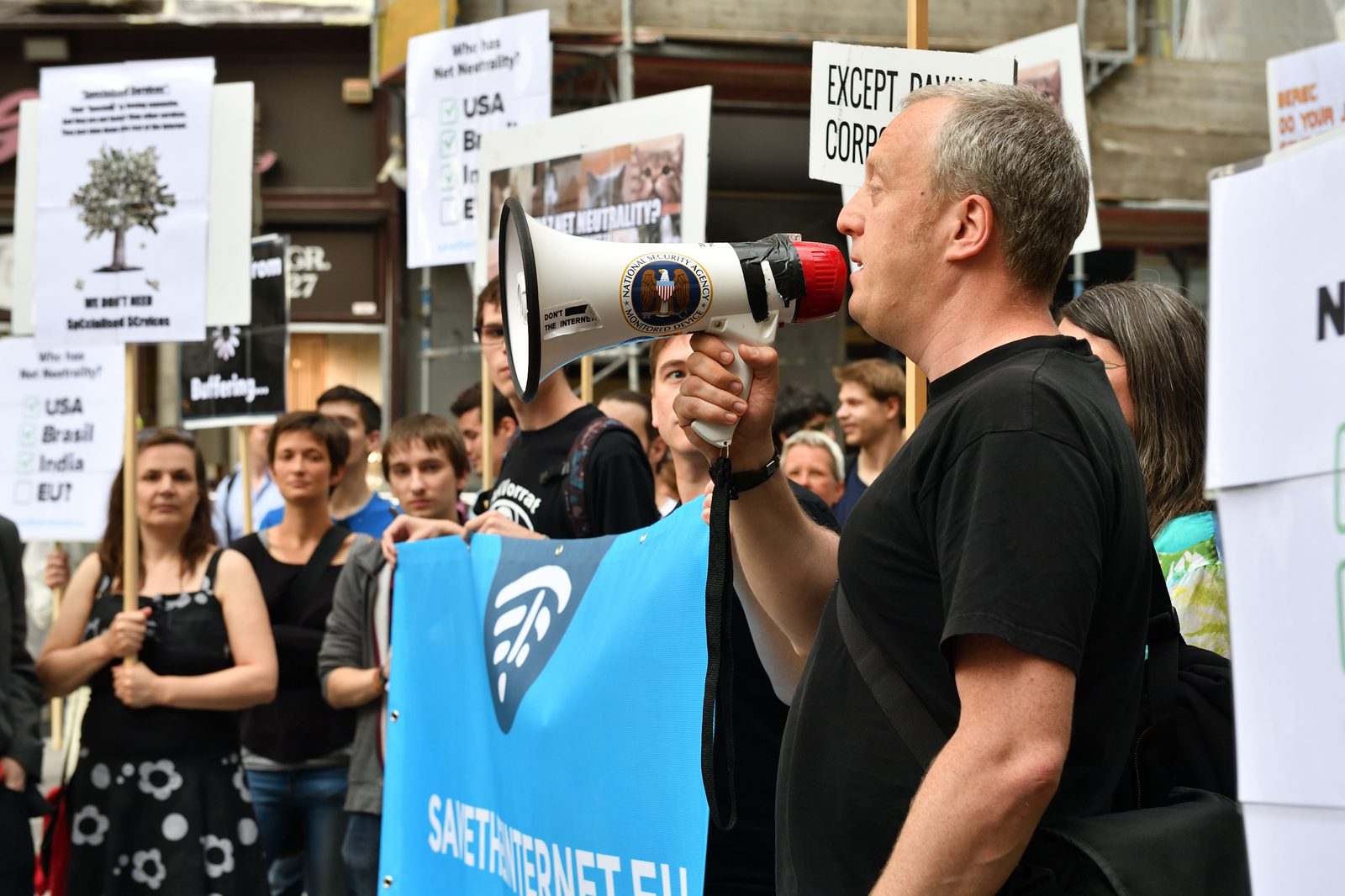
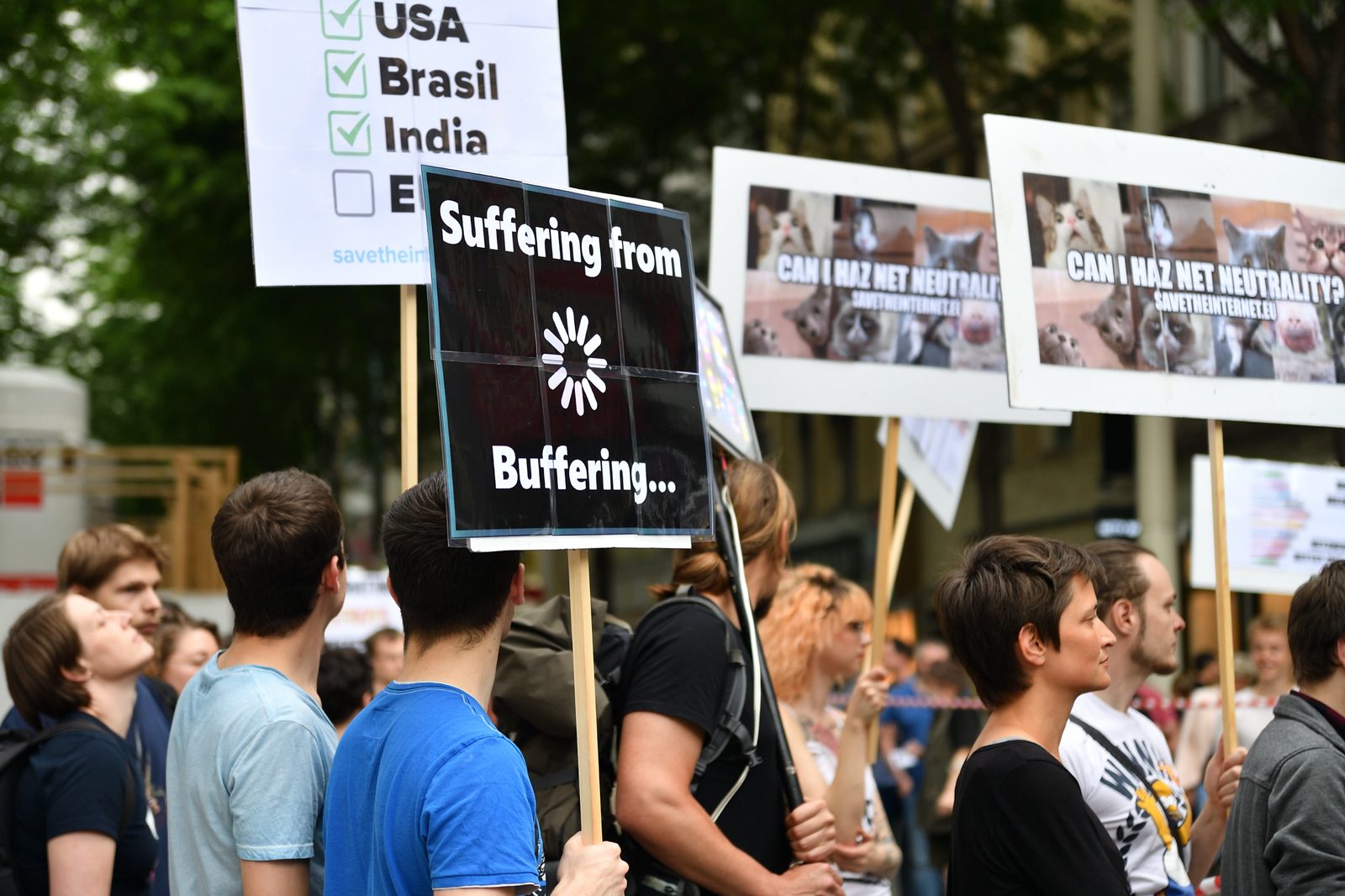
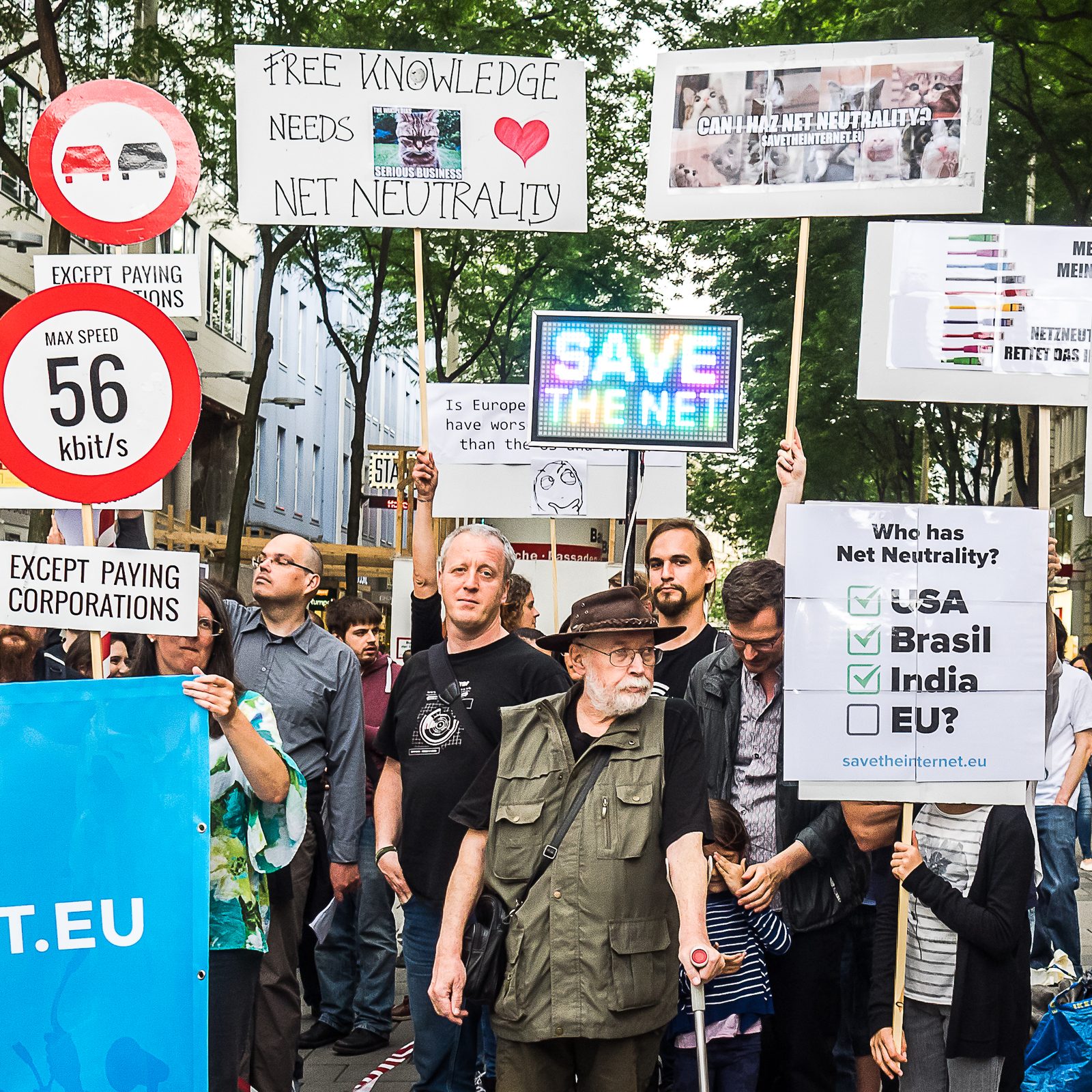
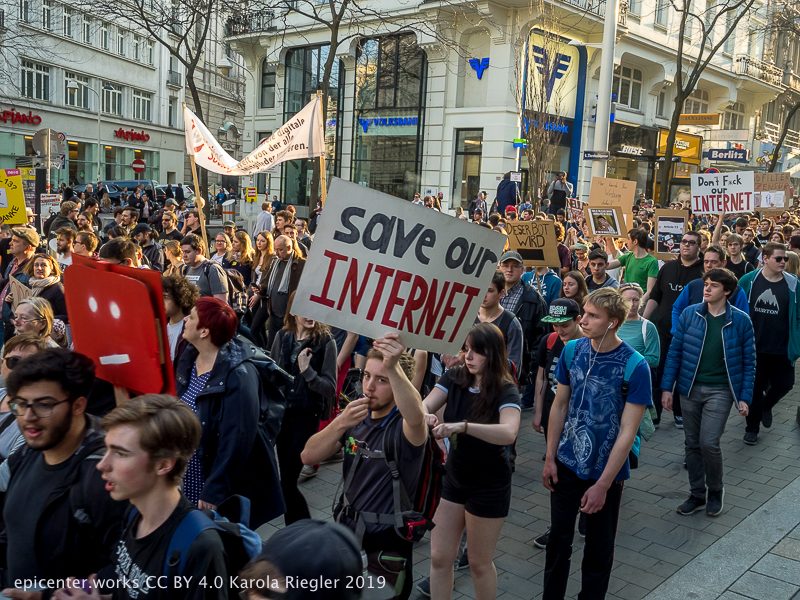
Between 2013 and 2016, hundreds of thousands of us across Europe stood up against censorship and network discrimination. We sent faxes, made calls, took to the streets. We were loud, we were everywhere, and it worked.
Europe enshrined net neutrality for the first time.
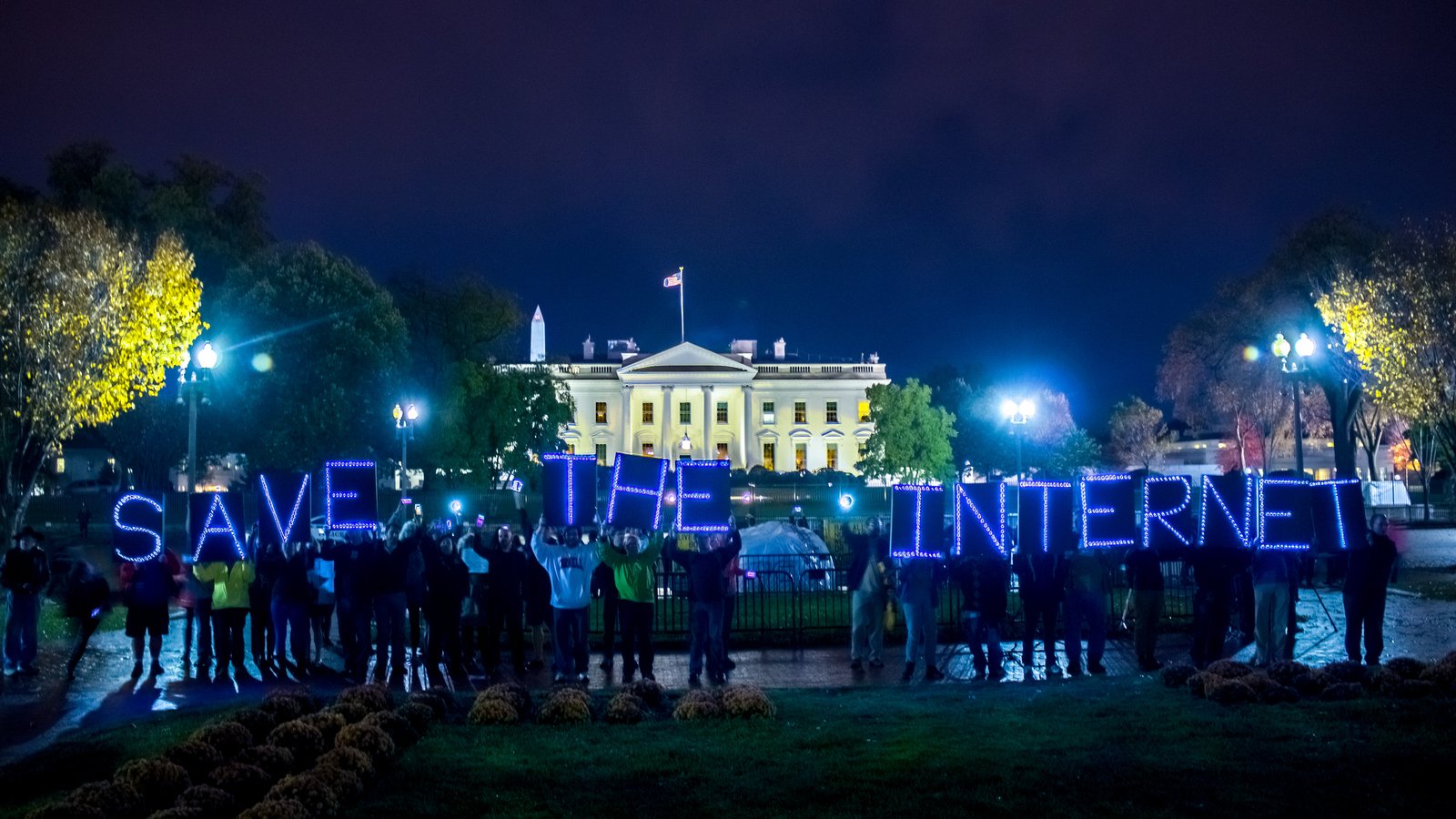
Now they want to take it back. This time it’s not a filter on what you post. It’s the wires themselves.
Picture your Tuesday.
Your teacher can’t be sure you and your classmate are looking at the same internet. What loads first might depend on your parents’ budget, not your Wi‑Fi.
You’re standing in front of the final boss. Before anything can even load, it’s game over. Your connection was too slow. Apparently, you weren’t on the fast lane.
The last penalty kick. Suddenly the picture is gone, and the winning goal is scored without you. Big Tech bought the fast lane. Public broadcasting couldn’t afford it.
A small EU platform can’t outbid a global Tech giant for priority delivery. Net neutrality is the only reason a startup’s stream loads as fast as a Tech giant’s.
How the internet is supposed to work.
Every app costs the same, and every packet gets the same shot at getting through. Telcos aren’t allowed to spy on what we do online. We get to choose which devices we use to go online. No toll booths. No priority lanes. No favourites.

It’s a simple idea. It’s worth fighting for.
Read more →Meet the DNA.
Someone in Brussels spent months making sure this bill’s name spells “DNA.” We spent five minutes finding a better fit: Dismantling Net Neutrality, Again.
It’s the vehicle telecom giants are using to try to unwind net neutrality, dressed up as “5G modernisation.”
5G lets a network be cut into “slices”: one for low latency, one for high bandwidth, one for whatever a telco decides to sell separately. All on the same SIM. The real fight is over one question: who decides which app gets which slice? We say: you do. You’re the one paying for the connection. Only you know what matters to you, not the telco and not the smartphone vendors.
The European Parliament currently debates amendments to the DNA that would allow telecom companies to spy on your data traffic and track what you do online. The industry wants to use the same tactic as Big Tech and extract value out of your data and behaviour. If these amendments survive, even the infrastructure of the internet can no longer be trusted.
Router freedom is currently only a right in some EU countries. Europeans can’t rely on their freedom to use the internet on the devices that they choose. This comes with significant risks for IT‑security and can be expensive with today’s energy prices.
DNA is the EU handing telco lobbyists control over your internet, your privacy, and your router.
Early days. Which is exactly why we start now.
Roughly 15–20% through the process. Working groups and committees are staffed. The first committee votes are coming soon. This will run for roughly the next three years, and every stage is a chance to shape it, or lose it.
We need everyone. Again.
This can’t be settled quietly in a committee room. It has to be out in the open, the way it was in 2016. We already saved the internet once. We can do it again.
A concrete call to action is coming later this year, when the vote that matters happens. Until then: talk about it, share this page, spread the word.
The decisive votes are coming. Join the newsletter and be first to know when it’s up to you.
The campaign starts long before the vote. You can support us right now and help us stay loud, independent and ready.
We were never alone.
Concerned citizens and NGOs around the world who care about civil liberties in the digital realm. These are the organisations that carried the fight in 2016.
In cooperation with: